Almost every grieving pet owner eventually asks it, usually in a whisper, usually with a little shame attached: “How long should I wait before getting another pet?”
The guilt in the question comes from a fear that wanting a new animal means the old one wasn’t enough. So let’s clear that up first, because it isn’t true: wanting companionship again is not a betrayal of the pet you lost. Grief and readiness are not opposites — sometimes they arrive in the same week, sometimes years apart. Both are normal.
This guide won’t hand you a mandatory waiting period, because no such thing exists — anyone who tells you “one month per year of life” or “wait at least a year” is reciting a rule they invented. What it will do is walk you through the honest questions that actually predict whether a new pet will help you heal or reopen the wound, and how to start fresh if and when you decide to.
If you’re still in the raw early weeks, our guides to coping with pet loss and how long pet grief lasts are better first stops.

There is no correct timeline (so stop looking for one)
You will find waiting-period advice everywhere, and it will contradict itself: wait a month, wait three months, wait until the anniversary. The truth is that the “right time” is a function of the person, not the calendar. Two owners can lose pets the same week and be ready at completely different times — and both would be right.
What matters is not how long it has been, but why you’re considering a new animal now. That is the question the rest of this guide unpacks.
Questions that actually predict readiness
Sit with these honestly — they’re a better test than any number of months:
- Are you trying to replace, or to love again? If the imagined new pet is standing in for the old one — same spot on the couch, same name — you’re likely still grieving the specific animal, and a new one will only highlight the absence. If you find yourself wanting a relationship again, with a new personality, that’s a different signal.
- Can you enjoy a new animal without measuring them against the old one? In the early months, everything a new puppy does wrong gets compared to how the old dog “never did that.” If you can already tell that comparison would poison both animals, wait.
- Do you have the energy a young animal demands? Grief is exhausting. A puppy or kitten needs patience you may genuinely not have yet — and the first hard night with a crying new pet can turn into a grief spiral. An adult or senior rescue is often the better first step back.
- What does your household think? If you have a partner or kids, a new pet added over objections becomes a source of resentment on top of grief. Align first.
- Are your surviving pets ready? This one is often forgotten — see the section below.
If most of those answers feel settled, you’re ready regardless of what the calendar says. If most feel raw, that’s information too.
“Am I a terrible person for wanting a new dog so soon?”
No — and this is the most common message in any pet grief community. The bond you miss is real, and human beings are built for connection. Loving a new animal does not subtract from the love you had; hearts are not competition venues.
That said, if the wanting feels desperate rather than warm — if it’s less “I’d like a companion” and more “I cannot stand this empty house” — it’s worth slowing down. A new pet adopted to stop grief usually ends up carrying grief they never asked for. In that case, what helps first is working through the loss itself; our guide to pet loss guilt covers the replacement guilt from the other direction.
Same breed, or something completely different?
One of the most searched questions after a loss, and the honest answer splits three ways:
- The same breed appeals because you know the temperament, the energy, the shedding situation. The risk is the ghost effect: a new golden who looks like your old golden will be compared from day one — by you and by everyone who visits. Some people find this comforting; most find it harder than expected.
- A different breed or species draws a clean line between past and present. There is nothing to measure against, which protects both you and the newcomer.
- A completely different kind of pet (a cat after a dog, and so on) works well for people who want companionship back but aren’t ready to rerun the same routine — the walks, the vet schedule, the breed-specific memories.
There’s no wrong lane. But if you catch yourself shopping for “a dog just like Max, but younger,” read that impulse carefully — it’s usually a sign the grief still needs its own time.
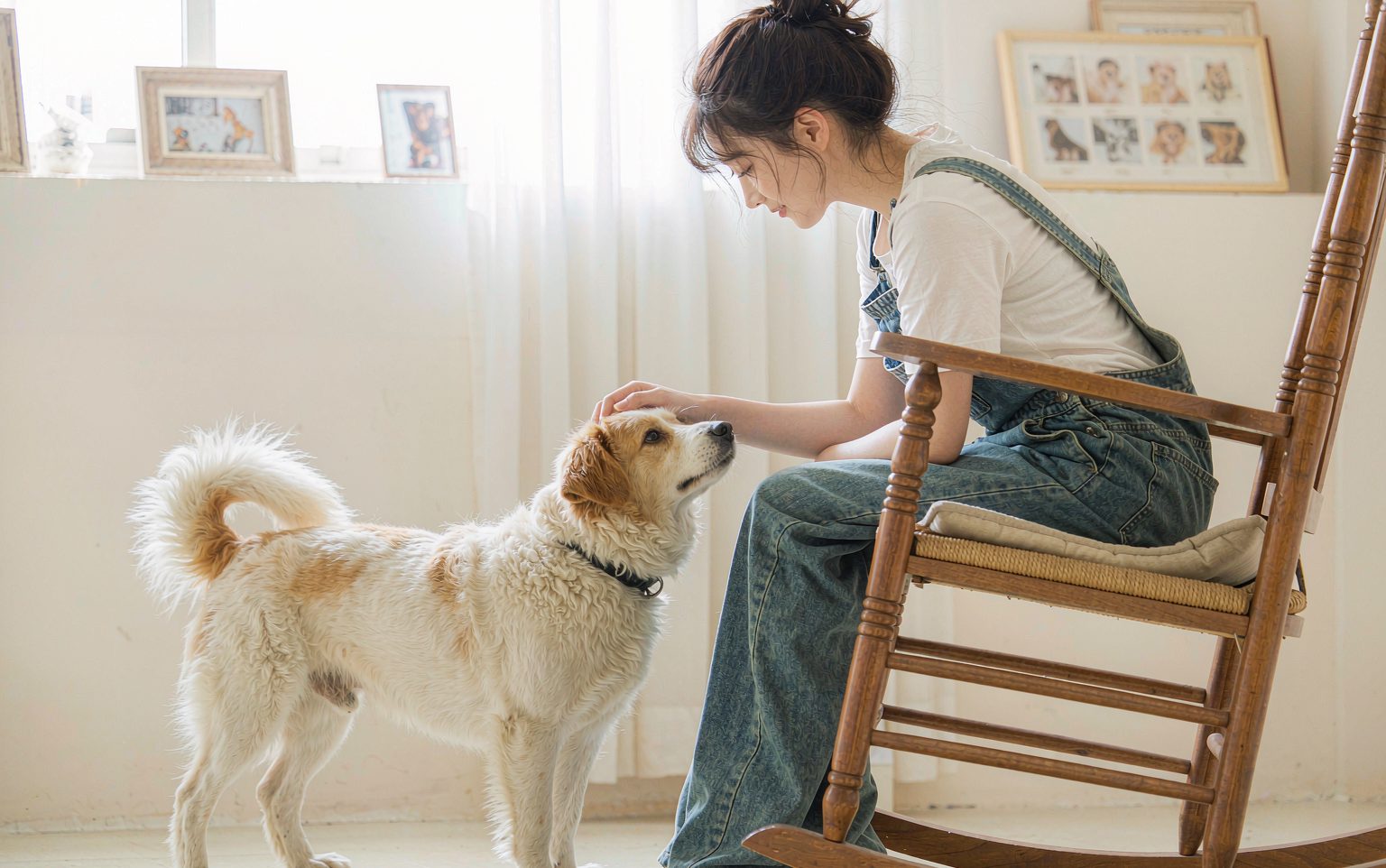
If you have children: slower is usually better
Kids grieve pets intensely and sometimes invisibly, and a replacement pet rushed in “to cheer them up” can teach them that loss is something to be patched over rather than felt. It also risks the child redirecting grief-anger at the innocent newcomer (“you’re not Buddy”).
What works better: let them be part of the decision when it comes, and let them say a proper goodbye to the old pet first — our guide to helping a child cope with pet loss covers that process in detail. Some families find a ritual — a small ceremony, a keepsake — gives the loss a shape, which makes welcoming a new animal later feel like a new chapter instead of a cover-up.
Don’t forget your surviving pets
If you have other animals, they are grieving too — yes, really: changes in appetite, vocalizing, searching the house, clinging are all widely reported after a companion animal dies, and our guide to whether pets grieve covers the evidence and what to do about it.
Adding a new animal while a surviving pet is still unsettled can backfire twice: the survivor’s stress deepens, and the newcomer starts life in a tense household. Give your resident animals a few weeks of restored routine first, and introduce any newcomer slowly — scent first, short meetings, separate resources.
Starting fresh: how to keep the new pet out of the old one’s shadow
When the day comes, a few deliberate choices make the new relationship its own thing:
- A new name. Reusing the old pet’s name — or a variation of it — blurs the line for you, the family, and the animal alike.
- New routines. Vary the walking route, the feeding spot, the couch configuration. Old routines are where the ghost lives.
- Let the old pet’s things be handled first. Decide what to keep, store, or pass on before the newcomer arrives — our guide to what to do with a pet’s belongings walks through the options. A new bed for a new animal, rather than the old one, sounds small and isn’t.
- Keep a place for the memory that isn’t a competition. A framed photo, a keepsake on a shelf — honoring the past pet in a fixed spot keeps them present without asking the new pet to fill their shape. That’s a large part of why people choose a personalized memorial keepsake before moving on.
What if you brought one home too soon?
It happens, and it is fixable without shame. The failure mode is resenting the new animal for not being the old one — not because you’re cold-hearted, but because grief grabbed the wheel. If that’s happening: recommit to the new animal as their own relationship (new routines, new name if needed), lean on help for the hard parts, and give the bond time to build on its own terms. In persistent cases, a grief counselor who works with pet loss can untangle the two relationships. Rehoming is a last resort — but an honest one, and better than years of quiet resentment.
A note from our studio
Fingking makes handmade pet memorials — clay figurines, memorial urns and glass paintings, each one made to order from your photographs. Many of our customers come to us before they open their home to a new animal: one finished keepsake, approved via digital preview before production, gives the pet who came first a permanent place of their own — so the next chapter never has to compete with the last one. Visit the shop to see what we make.
Frequently asked questions
How long should you wait to get a new dog after one dies?
There is no universal answer — it depends on your grief, your household, and your surviving pets, not the calendar. The honest readiness test is the questions above: whether you want a new relationship (not a replacement), whether you can meet a new animal without constant comparison, and whether you have the patience a young or newly adopted animal needs. Some people are ready in weeks; some need a year or more. Both are normal.
Is it bad luck or disrespectful to get a new pet right away?
No. Those ideas come from cultural superstitions, not from anything about how love works. Wanting animal companionship again honors how much the last bond meant — it is not a betrayal of it. The only real “disrespect” would be bringing an animal into a home that can’t yet care for it calmly, which is about readiness, not timing rules.
Should the new pet be the same breed as the one I lost?
Only if you’re drawn to the breed for itself. The honest trade-off: the same breed gives you a temperament you know, but invites constant comparison to the pet you lost — which most owners find harder than expected. A different breed, species, or an adult mixed-breed rescue draws a clean line between past and present. There’s no wrong answer, but shop with your eyes open about the ghost effect.
Will my other pet accept a new animal?
Usually yes, with time and a slow introduction — but wait until the surviving pet’s grief behaviors (appetite changes, searching, vocalizing) have settled first. Introduce by scent, then short supervised meetings, and keep separate food, water and resting spots at the start. Our guide to whether pets grieve explains what to expect from them in the meantime.
If you’re still in the thick of it, our guides to coping with pet loss, pet loss guilt, and memorial service ideas are good places to go next.