A garden is the only memorial that keeps growing. Every other tribute is finished the day it arrives — the urn is placed, the portrait is hung, the stone is set. A garden asks you to water something, and in doing that small chore you end up standing in the same spot, in the same season, thinking the same thoughts, year after year.
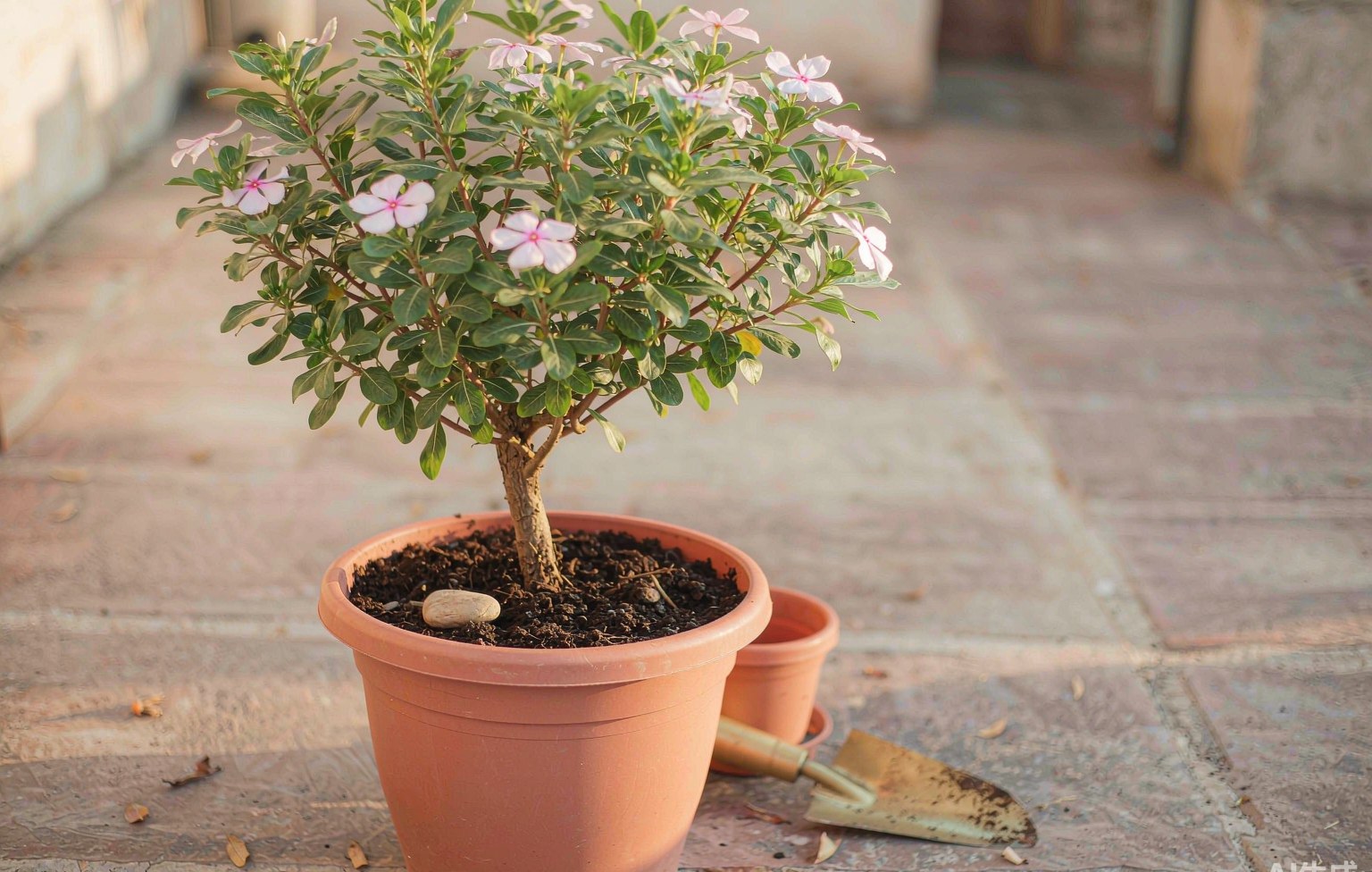
This guide covers 12 memorial garden ideas that work at different budgets and space levels, the one thing you must know before planting near cremation ashes, what to do if you rent or have no yard, and how to keep the planting alive if you move.
Why a Garden Works When Other Tributes Don’t
Two things make a living memorial different from an object.
First, it has a season. A tree that leafs out in April gives the grief a calendar again — a moment in the year when the loss comes back into focus on purpose rather than by ambush. Owners describe the first spring bloom as the first time the anniversary felt like something other than an ambush.
Second, it needs care. Ten minutes of watering a week is a ritual with a built-in reason, and rituals with reasons actually get performed. That’s the difference between a memorial you visit once and a memorial you live alongside.
Before You Plant: The Cremation Ashes Question
This is the part most guides skip, and it’s the one that can kill the planting.
Cremation ashes are not a fertilizer. They are highly alkaline and carry a concentrated salt load, and in quantity they will burn roots and stunt or kill most plants. So don’t empty an urn into a planting hole and set a sapling on top of it — that’s the single most common mistake people make with memory trees.
What actually works:
- Mix a small amount into a wide area of soil rather than concentrating it in one hole — spread through a whole bed, diluted heavily, the effect is far gentler.
- Use a separate memorial urn or planter. Keeping the ashes contained (in an urn or a sealed vessel) set into or beside the garden bed, and planting around it, avoids the soil chemistry problem entirely.
- Choose a plant that tolerates alkaline soil if you do incorporate ashes nearby. Your local nursery can tell you what thrives in your area’s soil and climate.
- If you’d rather not bury any ashes at all, that’s a completely legitimate choice — plenty of memorial gardens are planted in memory of a pet whose ashes remain indoors. Our guide to what to do with your pet’s ashes covers the full range of options.
12 Memorial Garden Ideas
1. A memory tree
The classic, for good reason. Pick a species that suits your growing zone and won’t outgrow the space — a dwarf fruit tree or an ornamental flowering tree suits a suburban yard better than a fast-growing shade giant. Plant it where you can see it from a window you use daily; the whole point is the accidental glance.
2. A perennial bed in their color
If your dog was a red retriever or your cat a grey tabby, plant that color. Perennials return every year, which means the tribute re-establishes itself without you doing anything. Choose three or four varieties that bloom in sequence so the bed has life from spring to fall.
3. A memorial planter
For balconies, porches and small patios. A single generous pot with a compact shrub or a rose gives you a full memorial in about two square feet — and it’s portable if you move. This is the highest-value option for anyone without a yard.
4. A paw-print stepping stone
A plaster or concrete casting kit is inexpensive, and a stone at the garden’s edge makes the spot feel intentional rather than incidental. If you have a clay or ink paw print from the vet, this is the right place for it.
5. An engraved marker or name plate
Set a small engraved stone or a metal plate at the base of the planting with the pet’s name and years. It gives the garden a focal point and tells visitors — including future ones — what this bed is for.
6. Bulbs that bloom in the anniversary month
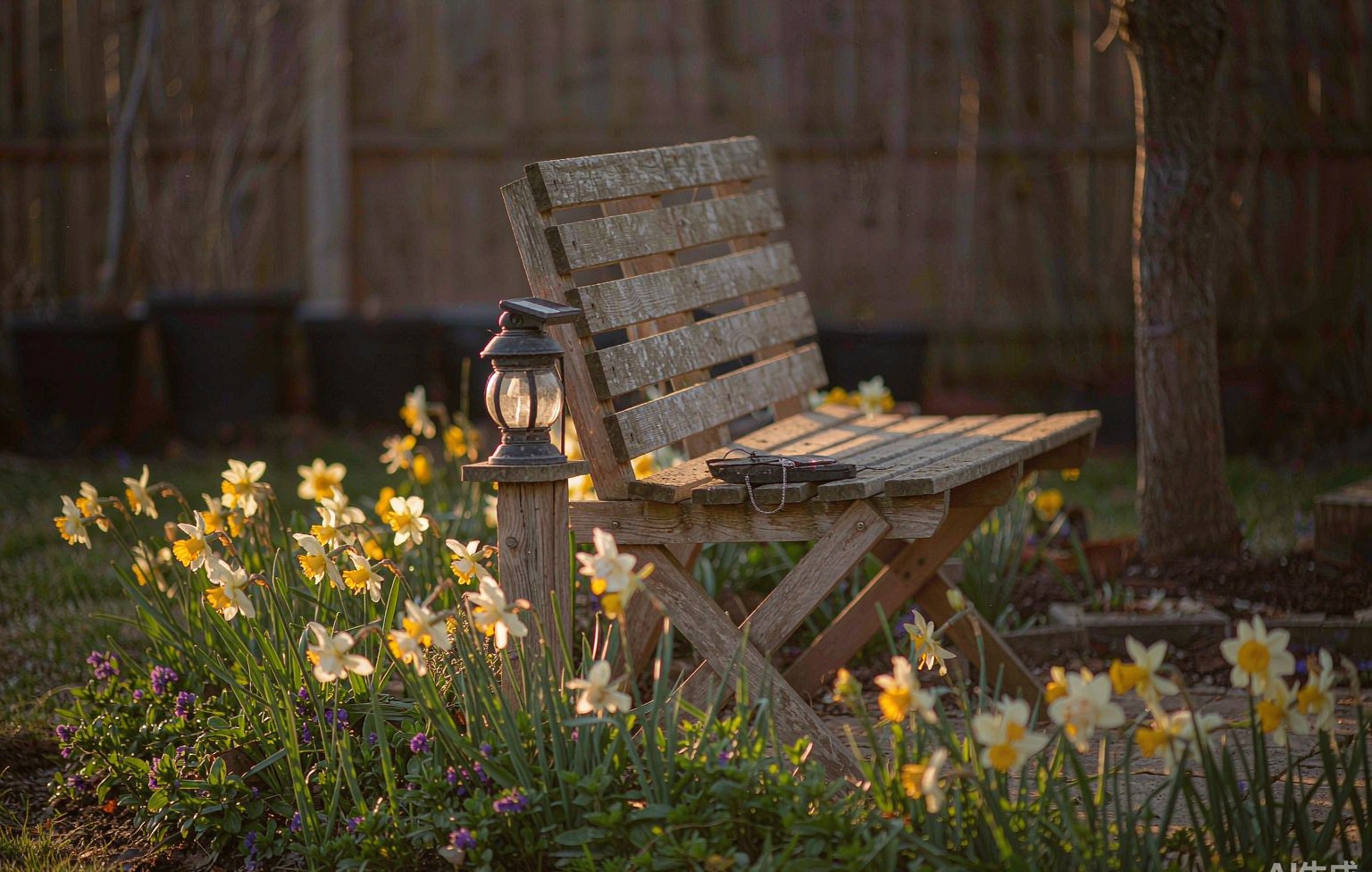
Choose your timing deliberately: daffodils and crocuses for late winter, tulips for mid-spring. If you plant bulbs that flower during the month your pet died, the garden marks the date for you whether or not you remember to plan anything.
7. A rosemary or herb corner
Rosemary has been associated with remembrance for centuries, and it’s a genuinely useful kitchen plant. A small herb bed also gives a garden a practical function, which helps on the days when a purely ornamental bed feels too much like a shrine.
8. A bird bath or feeder
Under $40, and it fills the memorial spot with movement and noise — living activity instead of silence. Place it so you can watch it from the room where you spend your evenings.
9. A wind chime
Sound is underrated in memorial gardens: a chime announces the spot without requiring you to look at it. Choose a wooden or bamboo tone over metal if you want it gentler for neighbors.
10. A bench or a seat
A simple two-seater or even a folding chair parked permanently near the planting. The garden can’t function as a place to sit with grief if there’s nowhere to sit.
11. A solar lantern
A light that comes on at dusk means the memorial is visible in the hours when people actually think about their pets. Cheap, no wiring, and it works through winter.
12. An indoor view pairing
Position matters as much as the plant. If you have a hand-sculpted figurine or a glass painting, put it on the windowsill or shelf that looks out at the garden. The two tributes together turn a glance into a memorial.
If You Rent, or Have No Yard at All
No outdoor space is not a reason to skip the idea. The realistic options:
- A balcony planter or window box. One pot, one plant, one stone. Everything a garden does for memory, in miniature.
- An indoor plant. A slow-growing houseplant like a snake plant or pothos survives imperfect care, which matters, because nobody grieving should be handed a plant they can accidentally kill — the guilt of killing the memorial is its own wound.
- A community garden plot. Many cities lease small plots seasonally. It gives you soil, sun and a reason to leave the house weekly.
- A friend’s or family member’s garden. Ask for a corner of someone else’s yard. For renters who move frequently, a planting in a stable garden somewhere you visit is more durable than one you’d have to abandon.
Keeping It Alive If You Move
Trees can’t come with you, which is worth thinking about before you plant. If a move is possible in the next few years, prefer:
- Container plantings, which travel.
- Bulbs and perennials, which you can dig, split and replant elsewhere — take a division with you and leave a share behind.
- Cuttings from a shrub or rose, which will root and give you a genetic continuation of the same plant. Take them a season before you move, not the week of.
- A photo record of the garden at its best. If the planting can’t follow you, the documentation still does.
The Ten-Minute Weekly Ritual
The practical argument for a memorial garden is that it converts grief into maintenance. Set a fixed weekly time — Sunday morning, say — and do ten minutes: water, weed, deadhead. Don’t turn it into a project. The value is the regularity, and the fact that the act doesn’t require you to decide to feel sad. You show up, you water, and whatever you feel while doing it is allowed to be whatever it is.
If a formal date matters to you, the anniversary and the two recognized remembrance days — National Pet Memorial Day on the second Sunday of September, and Rainbow Bridge Remembrance Day on August 28 — are natural moments to add a plant or refresh the bed. Our pet loss anniversary guide covers how to mark those dates.
Common Questions
Can I plant a tree over my pet’s ashes?
Not safely if you put the ashes directly into the planting hole in quantity — the salt and alkalinity can kill the tree. Spread a small amount diluted through a wide bed, or keep the ashes in a container and plant around it.
What plant symbolizes pet remembrance?
Rosemary is the traditional herb of remembrance. Beyond that, the more meaningful choice is personal — plant whatever your pet’s colors or habits suggest, or whatever you can actually keep alive in your climate.
Do I need a marker or headstone?
No, but it helps guests understand what the bed is. If you have an urn, an engraved plate or marker at the base is the common pairing; see how to choose a pet memorial urn for materials and display options.
What if I have a black thumb?
Choose tough perennials, native plants or a container with a drought-tolerant shrub, and put the rest of the memorial in non-living elements — a stone, a marker, a bench. The garden doesn’t have to be impressive to count.
Is it okay to plant a memorial garden if the pet is still alive?
Absolutely. Some owners plant a garden at the end of a pet’s life as an anticipatory tribute, and many find it easier to make decisions before the loss than during it.
Start With One Pot
The mistake is planning a whole landscape. Start with a single planter — one plant, one stone, one place to stand — and let it grow into whatever it becomes. A memorial garden isn’t a construction project. It’s ten minutes a week, for as many years as you want to keep watering.
If the garden is part of a larger tribute, the pieces that pair best with it are a wooden keepsake urn for the indoor shelf and a handmade memorial to anchor the anniversary. If you are assembling a gift rather than building your own garden, our pet loss gifts roundup pairs the same pieces by budget.
A note from our studio
We are a small studio, and everything here is made to order — from a hand-sculpted clay portrait to a printed keepsake that carries a single photograph. Nothing on this site is stock waiting in a warehouse. That is why a piece takes two to four weeks instead of two days.
It also means we are the ones who open the emails. If you write to us about a pet you lost, you are not reaching a support queue — you are reaching the people who will be holding the work in their hands.
And if you have a story you would like to tell, whether or not you ever order anything, there is a place for it here: Share your story. We read every one ourselves, and nothing is published without your permission.
If you are reading this in the first hard weeks: we are sorry. Take the time you need.
— Fingking Studio