Losing a pet means losing a family member. The house is quieter, the food bowl sits empty, and the daily routines that shaped years of life suddenly disappear. If someone you care about is going through this, a thoughtful pet loss gift can say what words often cannot: I see your grief, and it matters.
Sympathy gifts for pet loss have become increasingly meaningful in recent years — pet parents no longer want a generic card and a shrug. They want something that honors the bond they had. Below you’ll find 30+ pet loss gift ideas, from custom keepsakes that capture a pet’s likeness to quiet comforts that help someone through the hardest first weeks — plus guidance on what to avoid, how much to spend, and exactly what to write in the card.

In this guide
- How to choose a pet sympathy gift
- What not to give
- 1–9: Personalized keepsakes
- 10–13: Memorial urns & tributes
- 14–22: Comfort gifts
- 23–25: For families and children
- 26–27: Gifts that give back
- Gifts by budget
- Gifts by relationship
- Ideas by type of pet
- Timing, etiquette & what to write
- Pet sympathy gift FAQs
How to Choose a Pet Sympathy Gift
Before picking something, keep three things in mind:
- Personal beats expensive. A small keepsake with the pet’s name or likeness will mean more than a costly generic gift.
- Follow their lead. Some people want to talk about their pet; others need quiet. A gift that invites remembrance — without demanding it — is usually the safest choice.
- Timing matters less than you think. A gift that arrives a few weeks later, when the casseroles and flowers have stopped, often lands hardest.
The three questions that decide it
If you’re stuck between two gifts, ask these in order:
- Would it fit in their home as it is? A framed portrait, a mug, a bookmark, or a small figurine slots into any room. A large sculpture or a garden feature may need a conversation first.
- Does it ask anything of them? The best sympathy gifts require nothing back — no thank-you note, no shelf space they don’t have, no explaining it to visitors who ask.
- Does it name the pet? Generic pet memorial items acknowledge “a pet.” Personalized ones acknowledge their pet — and that difference is the entire point.
Where people get it wrong
Two mistakes show up again and again. The first is buying something that tries to cheer the person up or distract them — the gift-shaped version of “look on the bright side.” The second is buying something so expensive that it creates pressure to react with matching enthusiasm. A modest, specific, well-made gift wins on both counts.
If you already know you want something sentimental but haven’t narrowed the format, our guide to personalized pet memorial gifts compares the main types side by side — what each one is made of, how long it takes, and who it suits best.
What Not to Give After a Pet Dies
What you leave out matters as much as what you buy. These are the items that most reliably land badly:
- A new puppy or kitten. This is the most common mistake. Most grieving owners experience a new pet as a replacement rather than a gift — and even when they do eventually want another animal, that decision should be theirs, on their timeline, in their own time.
- Anything that minimizes the bond. “It was just a pet” on a card, a tag, or a mug undoes the whole gesture. So does humor that needs the person to perform being fine.
- Sympathy imagery they didn’t ask for. Some people find rainbow-bridge poems and angel wings comforting; others find them cloying. When you’re unsure, lead with the pet’s name and your own words instead of stock sentiment.
- Products that promise “closure.” Grief doesn’t run on a schedule. Promises of healing set people up to feel like they’re doing it wrong.
- Anything requiring assembly, upkeep, or a decision. A gift should reduce load, not add a task.
- Food or flowers alone, when you know the person well. They’re kind and welcome, but they fade in a week. If you can add one small thing that names the pet, do it.
For the words themselves — what helps, and what quietly stings — see our guide to what to say when someone loses a pet.
Personalized Keepsakes They’ll Treasure Forever
Personalized memorial gifts are the heart of pet loss gifting — they turn a photograph into something you can hold. These are the pieces that tend to stay on a desk, a shelf, or a bedside table for decades, long after the flowers are gone.

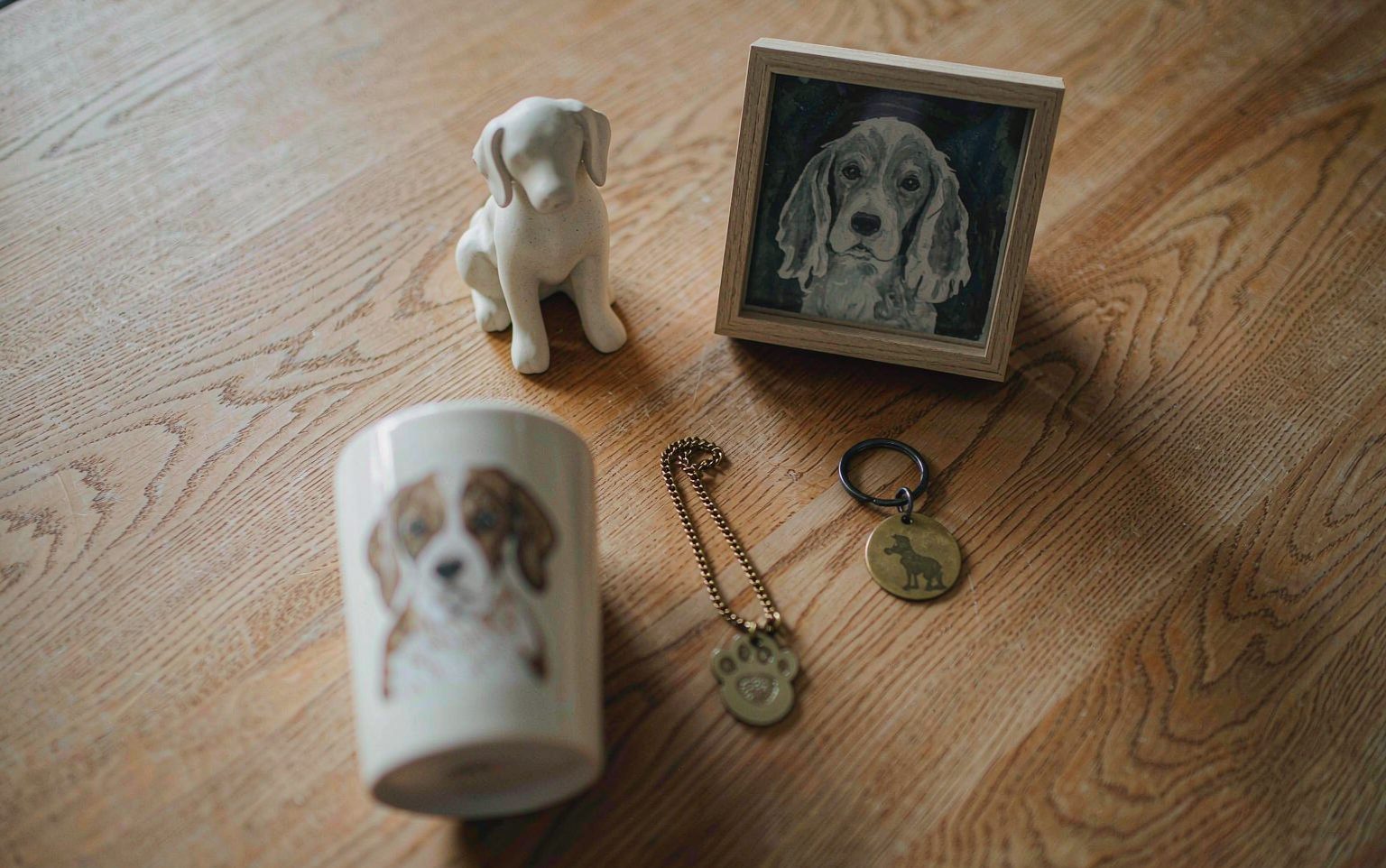
- A custom clay pet figurine — sculpted by hand from photos, capturing the way their ears flop or their tail curls. For many people this becomes the most treasured object in the house. If you want to know how a two-dimensional photo becomes a three-dimensional figure, our article on how custom pet figurines are made walks through every step.
- A pet head bust sculpture — a detailed clay portrait of their face alone, ideal for a shelf or mantel where a full figure would be too much.
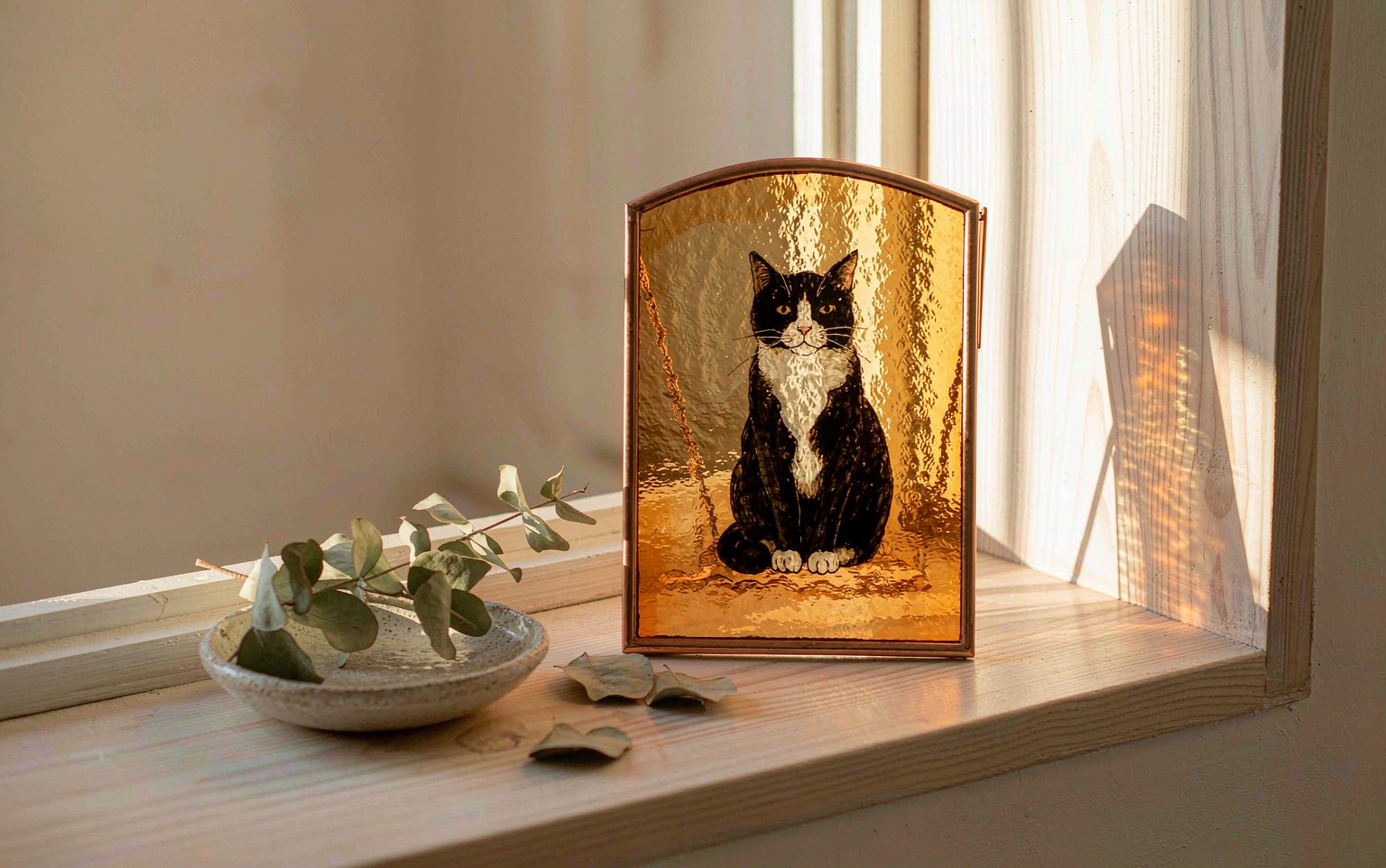
- A hand-painted glass portrait in a wood frame — light passes through the painted glass and brings the portrait to life during the day, then softens to a quiet glow at night.
- A glass painting in a copper frame — the same luminous technique with a warmer metal finish, for homes that run toward brass, wood, and cream rather than black and white.
- A custom photo mug — a daily, gentle reminder with morning coffee. Practical and emotional at the same time, which is exactly what makes it work.
- A wrap-around photo mug — the image runs around the whole vessel, so a favorite photograph of the two of them is never cut off.
- A 3D figurine mug — a sculpted figure on the handle side. Part sculpture, part daily-use keepsake, and one of the more surprising gifts in this list.
- A photo keychain — lets them carry their companion everywhere the keys go, including all the places the pet used to ride along.
- An engraved keepsake tag — their pet’s name on a tag shaped like a paw, kept as a memento of the collar that hung by the door.
Smaller format, same idea: a portrait bookmark is one of the most affordable personalized keepsakes we make, and it suits the kind of person who reads their way through hard weeks. For more formats at this scale — ornaments, magnets, journals, prints — see custom pet portrait ideas.
Memorial Urns & Loving Tributes
When a companion has passed, many families want a dignified place for their ashes — or a tribute that lives in the garden. Both are deeply personal choices, and both are usually best made by the owner rather than by a friend, which is worth remembering before you buy.

- A handcrafted ceramic memorial urn — beautiful enough to live on display rather than hidden away in a cupboard. Usually a gift the owner chooses themselves; you can offer to cover it, or gift the equivalent as a contribution.
- An engraved wooden urn — warm, natural, and personalized with a name and dates. Sizing matters here — our guide to choosing a pet memorial urn covers capacity, materials, and what to measure before ordering.
- A memorial garden stone — engraved with a short verse, placed under a tree or along a favorite walking route. For ideas on building the whole space around it, see pet memorial garden ideas.
- Urn jewelry — a small pendant that holds a pinch of ashes or a few strands of fur, keeping them physically close at all times. Some people wear it daily; others keep it in a drawer and take it out on anniversaries. Both are fine.
If the ashes are still sitting in a temporary container because no one could face the decision yet, that’s extremely common — our article on what to do with your pet’s ashes covers ten options, including ones that don’t involve a permanent decision at all.
Comfort Gifts That Aren’t Keepsakes
Sometimes the kindest pet sympathy gift is simply comfort. None of these require the recipient to display anything or explain anything to a visitor, which is often exactly why they help. They pair beautifully with a personalized keepsake:
- A handwritten sympathy card — mention the pet by name and share one specific memory. Specificity is what makes a card feel real. Multiple options are collected in 46 things to say when someone loses a pet.
- A memorial candle — to light on the anniversary, on hard evenings, or on whatever day they choose. Candle-light rituals appear in almost every culture for a reason.
- A donation to an animal shelter in the pet’s name — turning grief into something that helps another animal. Ask the shelter for the donation receipt so the owner has a record, which many people keep.
- A grief journal — writing letters to a lost pet is a recognized and healthy way to process loss. Any blank notebook works; a nice one signals permission to use it.
- A framed paw print — many vets can make an ink or clay print either before or after euthanasia. If you’re the one who might need to request it, do that first, then frame it to make it gift-ready. Our paw print keepsake guide covers exactly what to ask for.
- A living memorial tree — planted in the pet’s honor, growing year after year. Make sure it’s a species that suits their climate and yard, or choose a dwarf variety for a balcony.
- A small self-care basket — tea, a soft blanket, easy snacks. Grief is physically exhausting, and permission to rest helps more than it sounds like it should.
- A gentle book on pet loss — the right words at the right moment can feel like company. Choose one written for adults, not a children’s book, unless children are the point.
- A meditation or sleep aid — sleep is one of the first things grief disrupts. A weighted blanket, a white-noise machine, or a simple sleep mask is a practical, unglamorous kindness.
For Families and Children
When a pet dies, children often lose their first experience of death along with their friend. A gift that helps a family talk about it together does double duty.
- A children’s book about saying goodbye to a pet — helps little ones understand loss in safe language, and gives parents a script for the conversation. Our guide to helping a child cope with pet loss recommends reading it together rather than handing it over.
- A memory box — a beautiful place for the collar, the tag, a favorite toy, and a few photos. Children often revisit these boxes for years, and the act of choosing what goes inside is itself part of grieving.
- A family portrait that includes the pet — a custom painting or figurine featuring the animal alongside the people who loved it. It keeps the pet visibly part of the family unit instead of a memory tied to one person.
For aunts, uncles, and grandparents who want to help but aren’t sure what to do, both of the guides above are written to be forwarded.
Gifts That Give Back
- Sponsoring a shelter pet in their pet’s memory — many shelters let you name the animal being sponsored, which makes the gesture concrete rather than abstract.
- A personalized wind chime — a soft sound in the garden that always gets a small smile. Engraved with a name, it becomes something the owner notices on ordinary days, which is when it matters most.
Pet Loss Gifts by Budget
You do not need to spend much for a gift to land. Here’s how the options above sort out by price.
Under $30
The sweet spot for coworkers, neighbors, and friends-of-friends. A portrait bookmark, a memorial candle, a framed paw print, or a well-chosen card all sit here, and all of them say more than a $60 bouquet. We keep a full list in pet memorial gifts under $30 — fifteen ideas that don’t feel cheap.
$30–$80
This is where most personalized keepsakes live: photo mugs, keychains, engraved tags, glass paintings, and the smaller figurines. It’s also the range most people describe as “the right amount to spend on a pet loss gift” — substantial enough to matter, modest enough to accept easily.
$80 and up
Custom clay figurines, head sculptures, and memorial urns. These are usually bought by immediate family, close friends, or several people pooling together. If you’re coordinating a group gift, one meaningful heirloom generally beats five unrelated small items.
Free, and sometimes best
Offering to walk their other dog. Covering a shift so they can be home. Dropping off dinner without staying. Sitting with them while they sort through the pet’s things. None of these cost anything, and all of them are remembered.
Pet Loss Gifts by Relationship
How much you spend and how personal you get should scale with closeness. A rough framework:
- Coworker or acquaintance — a card with a real memory, plus something small and non-presumptuous: a candle, a bookmark, or a joint contribution from the team. Skip anything engraved with dates, which implies access to details you probably don’t have.
- Friend — this is the natural home of the personalized keepsake: a mug, a keychain, an id tag, a small figurine. You knew the pet. Use that.
- Close friend or sibling — a portrait, a figurine, or a glass painting. Multiple gifts over time are also welcome here: something small at the funeral, something lasting at the one-month mark.
- Partner or immediate family — urn selection, memorial jewelry, and larger commissions. Involve them in the choice if you possibly can, because these pieces are meant to live in shared space.
- Yourself — you’re allowed to buy your own pet a memorial gift. Many people do, and many frame it as the first deliberate act of remembering. See our piece on the pet loss anniversary for ways to mark the date as it returns each year.
Pet Loss Gift Ideas by Type of Pet
Most of this guide works for any animal, but a few details change.
For a dog
Dog keepsakes tend to lean toward the big personality in the room: a full-body figurine that captures the exact way they sat, an engraved tag on a collar-shaped keepsake, or a portrait showing their coat color and markings. For breed-specific and outdoor ideas, see how to memorialize your dog.
For a cat
Cat memorials often work best small and quiet — a head bust that catches a whisker line and eyes, a sunlit glass painting for a windowsill they claimed, a bookmark for the person who read with them on their lap. More ideas in cat memorial ideas.
For birds, rabbits, and smaller companions
Photographs work just as well as source material for portraits, figurines, and custom tags, and the smaller scale often suits these pets better. Bowls, cages, and enclosures can be harder to let go of, which is worth knowing if you’re helping someone decide what to do with their belongings — see what to do with your pet’s collar, toys, and belongings.
Timing, Etiquette & What to Write
When should you give a pet loss gift?
Within the first couple of weeks is standard, but don’t worry about being late. Many people say gifts that arrive after the initial rush of support — two, three, even six weeks later — meant the most, because that’s when grief gets quiet and everyone else has moved on. If the death was recent and unexpected, waiting a week is also fine; there is no penalty for arriving second.
Should you give a gift in person or send it?
Sending is often kinder. A gift that arrives without an audience lets the recipient react however they need to — including not reacting at all that day. If you do hand it over in person, keep it brief and don’t stay to watch them open it.
What should you write in a pet sympathy card?
Keep it short, specific, and warm. Name the pet. Recall one concrete detail. Don’t explain their loss to them or promise that it gets easier.
- “[Name] wasn’t just a dog — he was your daily companion and your joy. I’m so sorry he’s gone.”
- “The love between you two was obvious to everyone who saw you together. Thinking of you.”
- “She was lucky to be loved by you. I’ll always remember how her tail greeted me at the door.”
- “I keep thinking about the way he’d wait by the window for you. He picked the right person.”
- “No rush to reply. I’m here when you want company, and fine with silence when you don’t.”
If you’d rather not write your own, a short line from a pet memorial quotes collection can carry the weight for you — just credit it honestly rather than presenting it as your own words.
Is it okay to send a gift card instead?
Yes, and it’s better than buying the wrong object. It’s especially appropriate for urns, memorial jewelry, and large commissions, where the owner’s taste and timing matter more than your guess. Pair it with a handwritten note so it doesn’t read as impersonal.
Should you mention the pet months later?
Almost always yes. The most common complaint from grieving pet owners isn’t that people bring it up too often — it’s that everyone stops. Saying the pet’s name on their birthday, on the adoption anniversary, or on the day they died is usually a gift in itself.
If you’re also trying to support someone through the earlier, harder days — the first week when the practical decisions pile up — our guide to coping with pet loss covers what actually helps during that stretch, and what to do when a pet dies at home handles the logistics that most sympathy guides skip entirely.
Pet Sympathy Gift FAQs
What is an appropriate gift when someone’s pet dies?
Anything that acknowledges the loss sincerely. Personalized keepsakes — like a custom figurine made from their photos — are especially appreciated because they celebrate the specific animal, not just “a pet.” If you’re not close to the person, a card with a real memory plus something small and useful is entirely appropriate.
How much should you spend on a pet loss gift?
Most meaningful pet sympathy gifts fall between $25 and $80. Thoughtfulness matters far more than price — a $30 keepsake with the pet’s name will outlast a $100 bouquet. If you’re buying for a coworker, stay at the lower end; for immediate family, there’s no real ceiling.
When should you give a pet loss gift?
Within the first couple of weeks is standard, but don’t worry about being late. Many people say gifts that arrive after the initial rush of support — two, three, even six weeks later — meant the most, because that’s when grief gets quiet.
What do you write in a pet sympathy card?
Keep it short, specific, and warm: name the pet, recall one memory, and don’t try to explain the loss or promise it will fade. The five example messages in the section above are ready to adapt.
Is it inappropriate to give a new pet as a gift?
Generally, yes. Most grieving owners experience a new animal as a replacement rather than a gift. Even when they do want another pet eventually, that decision should belong to them — including the timing, the breed, and the age. If you want to help animals in the pet’s memory, donating to a shelter is the safer gesture.
What is the best pet loss gift for someone who isn’t sentimental?
Skip the display pieces. Go with something practical and quiet: a dinner they don’t have to cook, a donation in the pet’s name, or an offer of concrete help with the pet’s belongings. Practical support tends to land better with people who dislike being fussed over.
Can you give a pet memorial gift to someone whose pet died a long time ago?
Yes — and it often means more than a gift given at the time. Anniversaries, birthdays, and adoption dates all resurface the loss, and acknowledging those dates signals that the pet hasn’t been forgotten. Our guide to marking a pet loss anniversary has specific ideas for each milestone.
How long does a custom pet gift take to arrive?
Handmade pieces take longer than mass-produced ones. At our studio, every keepsake is made to order from the photographs you send, and most orders ship within 2–4 weeks. If you’re working toward a specific date, order as early as you can and tell us the deadline.
What photos do I need to order a custom pet keepsake?
Two or three clear, well-lit photos are usually enough: one straight-on shot of the face, one profile, and one that shows the body or a characteristic pose. Natural daylight works best; flash tends to flatten fur detail. If your only photos are older, blurry, or on film, send them anyway — most artists would rather work from a real photo than a guess.
Should you give a pet loss gift to a child?
A book, a memory box, or a small keepsake they can hold all work well, and giving it alongside a parent is better than giving it alone. What matters most is that an adult is available to talk about the pet when the child asks — see helping a child cope with pet loss.
Honoring a Bond That Doesn’t End
There’s no “getting over” the loss of a pet — there’s only learning to carry it, and eventually, to smile at the memories. A thoughtful gift doesn’t fix the grief. It simply says: this bond was real, and it deserves to be remembered.
If you’re looking for a keepsake that captures exactly who they were, browse our handmade clay figurines, hand-painted glass portraits, custom photo mugs, or memorial keepsake urns — each one is made by hand, from your photos, with love.
Keep reading
- Personalized Pet Memorial Gifts: The Complete Guide
- Pet Memorial Gifts Under $30
- What to Say When Someone Loses a Pet
- How to Choose a Pet Memorial Urn
- Custom Pet Figurines: How a Photo Becomes a Clay Keepsake
- Pet Memorial Christmas Gifts: Meaningful Holiday Ideas
- What to Do With Your Pet’s Ashes
- Pet Memorial Garden Ideas
- Coping With Pet Loss: A Gentle Guide to Grieving
A note from our studio
We are a small studio, and everything here is made to order — from a hand-sculpted clay portrait to a printed keepsake that carries a single photograph. Nothing on this site is stock waiting in a warehouse. That is why a piece takes two to four weeks instead of two days.
It also means we are the ones who open the emails. If you write to us about a pet you lost, you are not reaching a support queue — you are reaching the people who will be holding the work in their hands.
And if you have a story you would like to tell, whether or not you ever order anything, there is a place for it here: Share your story. We read every one ourselves, and nothing is published without your permission.
If you are reading this in the first hard weeks: we are sorry. Take the time you need.
— Fingking Studio